
Diwali Burns: What to Do in the First Minutes, and When to See a Doctor
By Dr. Sushrut Tated, plastic surgeon
Diwali burns need the same first step as any burn: cool running tap water on the burn for 20 minutes, as soon as possible. Take off bangles, rings and anything tight near the burn, cover it loosely with cling film or a clean cloth, and never use ice, toothpaste or ghee. Deep burns, burns on the hands or face and firecracker blast injuries need a hospital the same day; see acute burns.

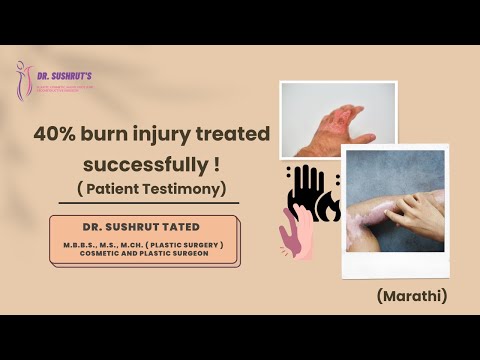
Dr. Sushrut explains acute burns


Why are Diwali burns so common?
Diwali brings together open flames, firecrackers, hot oil and loose festive clothing, often with children close by. In 2026, Lakshmi Puja falls on Sunday, 8 November, and burns and burn-related emergencies rise sharply over the festival days.
Indian hospital studies show the pattern clearly:
- A burns centre in New Delhi treated 489 Diwali-related burn patients over the three festival days in five years (2018 to 2022): 330 from firecrackers and 159 from diyas. Of the diya burns, about 70% were in women, the most common cause was a burning diya kept on the floor, and 35% needed admission to hospital.
- A plastic surgery department in Aligarh found that most firecracker injuries were in young men, and that anar (flower pots) caused 40% of them and rockets 20%. Five of the 40 patients had blast injuries of the hand.
- An eye hospital in Bengaluru found that of 51 patients with firecracker eye injuries, 29 were onlookers, not the person lighting the cracker, and most were under 20.
Most of these injuries are preventable, and the first few minutes of care change how deep a burn becomes and whether it scars.
Diwali burn first aid: what to do straight away
- Stop the burning. If clothing is on fire, stop, drop and roll, or smother the flames with a thick blanket. Move away from crackers and flames.
- Cool the burn under cool running tap water for 20 minutes. Start as soon as you can. It still helps if up to about three hours have passed.
- Take off bangles, rings, watches and tight clothing near the burn before swelling starts. Leave anything that is stuck to the skin.
- Keep the person warm. Cool only the burn, and wrap the rest of the body, especially a child.
- Cover the burn loosely with cling film laid on (not wrapped tightly), a clean plastic bag for a hand, or a clean non-fluffy cloth.
- Do not apply ice, toothpaste, ghee, oil, turmeric or creams, and do not burst blisters.
- Decide where to go using the checklist below. For any large, deep or facial burn, call 108 or 112 and keep cooling while you wait.
The full step-by-step guide, including chemical and electrical burns, is in burn first aid at home.
What should you do for a firecracker burn to the hand?
Hands are often hurt by crackers, because people hold sparklers, light anars at close range and pick up crackers that failed to go off.
- Cool the hand under running water for 20 minutes and remove rings at once, because fingers swell fast.
- Keep the hand raised above the heart to reduce swelling.
- If a cracker has burst in the hand, there may be cuts, embedded fragments or damage to tendons and bones as well as burns. Press a clean cloth on any bleeding, do not try to pull out fragments, and go to hospital immediately.
- Every blistered or deep burn of the hand and fingers should be seen by a doctor, even if it is small. Burns across the palm and finger creases can tighten as they heal and limit movement; see hand surgery and hand burn contracture.
What if a firecracker hits the eye?
Eye injuries need an eye specialist, not home treatment. Following the American Academy of Ophthalmology’s advice:
- Do not rub the eye.
- Do not rinse the eye if something may have hit or entered it, and do not try to remove anything stuck in it.
- Cover the eye loosely with a clean paper cup or shield without pressing on it.
- Go straight to an eye hospital or emergency department.
Burns of the eyelids and the skin around the eye should also be seen the same day.
How serious is a hot-oil burn from Diwali cooking?
Frying chakli, karanji and other faral means pans of very hot oil, often with children nearby. Oil is far hotter than boiling water and sticks to the skin, so oil splashes cause deeper burns than steam or hot water.
- Cool the area under running water for 20 minutes, as for any burn.
- Never throw water on burning oil in a pan. Turn off the gas and cover the pan with a lid.
- A blistered oil burn larger than your palm, or any oil burn on the face, hands or a joint, should be checked by a doctor.
When does a Diwali burn need a hospital?
Go to a hospital emergency department, the same day, if:
- the burn is larger than the person’s palm, including the fingers;
- it is deep, white, brown, leathery or charred, even if it hurts less;
- it is on the face, eyes, neck, hands, feet, a joint or the genitals;
- a cracker has burst in the hand, or there is bleeding or an object in the wound;
- clothing caught fire, or the person breathed in smoke;
- the person is a young child, an older adult, pregnant, or has diabetes or another illness.
See a doctor within a day or two for a smaller burn that blisters, a burn that is not healing after about two weeks, or any sign of infection: spreading redness, swelling, pus, a bad smell or fever.
Dr Sushrut’s clinic in Bibwewadi is not an emergency service. For a fresh serious burn, call 108 or 112 or go to the nearest emergency department first.
How can you prevent Diwali burns?
Diyas and candles
- Place diyas on a non-flammable surface, away from curtains, paper decorations and wood.
- Do not place diyas on the floor in passages, on staircases or where people walk, and keep them out of children’s reach.
- Wear cotton rather than synthetic clothing, and tuck in loose dupattas and saree pallus while lighting lamps.
Firecrackers
- Light crackers only outdoors, in an open space, and keep onlookers, especially children, well back.
- Light them at arm’s length, never over a cracker, and never hold an anar or bomb in the hand.
- Do not relight a cracker that has failed to go off. Soak it in water.
- An adult should supervise children with sparklers and give them a bucket of water to drop used sparklers into.
In every home
- Keep a bucket of water and a basic first-aid kit near where you light diyas and crackers.
- Save the emergency numbers 108 and 112 on everyone’s phone.
What happens after a Diwali burn heals?
Most small burns heal with dressings and time. Deeper burns may need hospital dressings, removal of dead tissue and skin grafting. As burns heal, scars over joints, the hands and the neck can thicken or tighten. Splints, pressure garments, silicone and early movement help, and scars that do cause problems can be treated later; see burn scar treatment.
When should you see a plastic surgeon?
See a burns or plastic surgery team for any deep burn, any burn on the face or hands, a burn that has not healed in two to three weeks, or a healed burn that is becoming thick, itchy or tight. For the care of fresh burns, see acute burns, and for the full range of burn care, see burns treatment.
Frequently asked questions
My clothes caught fire from a diya. What should I do?
Stop, drop to the floor and roll, or smother the flames with a thick blanket or towel. Do not run, because that fans the flames. Then cool the burn under running water for 20 minutes and go to hospital, because clothing fires usually cause large or deep burns.
Is a small sparkler burn on a child's hand serious?
Cool it under running water for 20 minutes straight away. A small red mark without blisters can be watched at home, but a blistered, white or large burn on a child's hand should be seen by a doctor the same day, because hand burns can tighten as they heal.
Should I wash out the eye after a firecracker injury?
Not if something may have hit or entered the eye. Do not rub it, rinse it or try to remove anything stuck in it. Cover it loosely with a clean paper cup or shield and go straight to an eye hospital or emergency department.
Hot oil splashed on my arm while frying. Is cold water enough?
Cool running water for 20 minutes is the right first aid. Oil is much hotter than boiling water and clings to the skin, so oil burns are often deeper than they first look. See a doctor if the burn blisters, is larger than your palm or is on the hand, face or a joint.
Will a Diwali burn leave a scar?
Superficial burns usually heal without a scar. Burns that take longer than about two to three weeks to heal are more likely to scar, and burns over joints and the hands can tighten. Early review by a burns or plastic surgery team lowers that risk.
References
- "Diya"-related burn injuries during the Diwali period: a 5-year retrospective review from a tertiary care hospital in India (Indian J Plast Surg 2024;57(Suppl 1):S88-S91). PubMed Central.
- Wish you a happy and safe Diwali: from a plastic surgeon (World J Plast Surg 2016;5(2):190-193). PubMed Central.
- Firecracker eye injuries during Deepavali festival: a case series (Indian J Ophthalmol 2010;58(2):157-159). PubMed Central.
- Fireworks eye safety. American Academy of Ophthalmology.
- Burns and scalds: treatment. NHS.
- Burns (fact sheet). World Health Organization.


